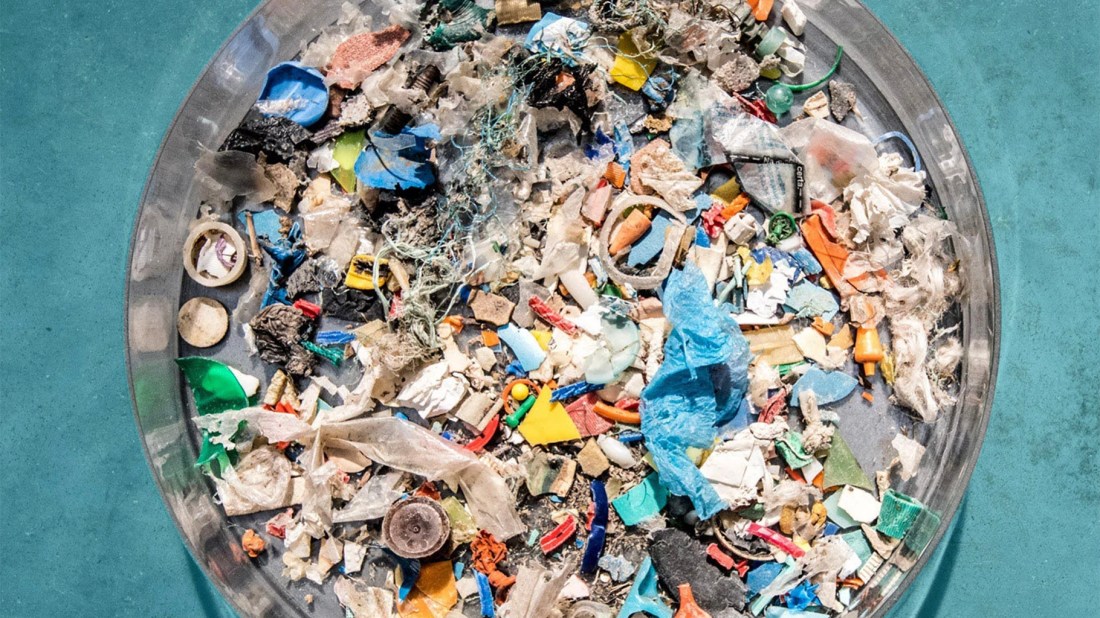
 Plastic has become a vital part of human life. It is very commonly used by nearly every human on the planet and we can feel the effects in all corners of the planet. As many people know, plastic does not decompose very easily. It takes roughly 500 years for a piece of plastic to decompose. In these 500 years, much of this plastic finds itself in the ocean. When these plastics make their way into the ocean, it puts marine wildlife in lots of danger. These plastics are consumed much of the time and can cause health problems to all animals. It is believed that 700 species could go extinct because of plastic in the ocean.
Plastic is so dangerous in the ocean because of the way it decomposes. Adding onto the long decomposition time of plastic, the threat of pieces multiplying makes it even more dangerous. When plastic breaks down in the ocean, it only separates itself into multiple smaller pieces and spreads itself out. These are called micro plastics. If enough of these micro plastics are added into the ocean, they are not easy to take out and also still do the same amount of damage as any plastic. It can harm important internal organs in many marine animals. An example of the severity of this issue is the Great Pacific Garbage Patch. This area where plastic objects gather in the Pacific Ocean is about the size of Texas and continues to grow with time. Our solution of becoming plastic free must come quicker. With each day, the threat of marine species becoming extinct grows more and more due to plastic pollution.
 In the past decade, we have seen a direct impact of humans on the population of wild rhinos. Rhinos are magnificent animals living mainly in the plains of Africa. Rhino horns are believed to hold health benefits treating many sicknesses. This however, is not necessarily the case. Rhino horns are made of the same material as human hair and fingernails. Despite this realization by scientists, poachers continue to hunt rhinos for their horns. When these rhinos are hunted, they are either killed by guns or are tranquillized and put to sleep. While alive, their horns are then detached from their bodies by saws or other sharp devices. They are then often left alive to die slowly.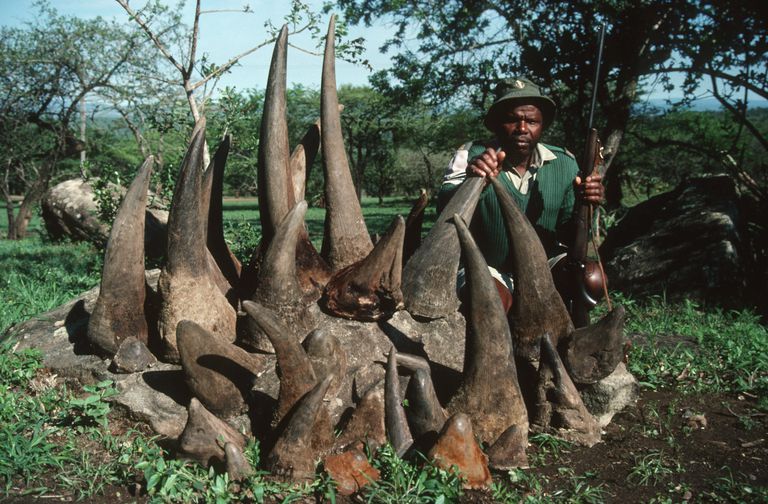
 Human and Animal Relations